Top 10 Differences Between Power Packs and Power Stations?

Time:2026-08-28 Author:Isabella
0%

In today's tech-driven world, understanding power sources is crucial. Many people often ask, "What is the difference between power packs and power stations?" These devices are essential for providing energy on the go. However, they serve distinct purposes and functionalities.

Power packs are typically portable and designed for charging smaller devices. They are lightweight and easy to carry, making them perfect for short trips. In contrast, power stations are larger and offer a higher capacity, capable of powering multiple devices simultaneously. They are often used during outdoor adventures or power outages.

Exploring these differences reveals more than just size or capacity. Each device has its unique features and drawbacks. Understanding their specific uses can enhance your experience and decision-making. Users should consider their personal needs and situations when choosing between the two. This informed choice can lead to a more reliable power solution in various circumstances.
Top 10 Differences Between Power Packs and Power Stations?

Differences in Design and Form Factor of Power Packs vs Power Stations

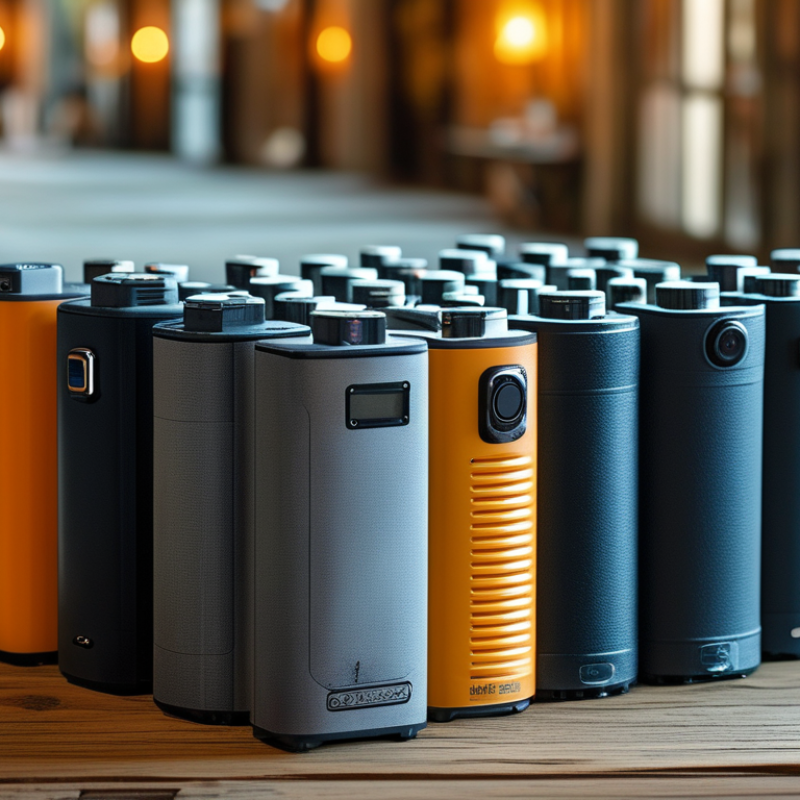
When comparing power packs and power stations, the design and form factor stand out significantly. Power packs tend to be compact, lightweight, and easily portable. They often resemble oversized batteries, making them ideal for short outings. In contrast, power stations have a more rugged and bulky appearance. They resemble small generators or toolboxes, reflecting their higher capacity and functionality.

The functionality of these devices also influences their design. Power packs typically focus on charging smaller devices like smartphones and tablets. Their design is optimized for ease of use and quick storage. However, power stations are built to support larger electronics, such as laptops and even small appliances. This leads to bulkier designs with multiple ports and robust cooling systems.

Despite their differences, both power packs and power stations have room for improvement. Users may find power packs lacking in capacity for extended trips. Meanwhile, the weight and size of power stations can make them impractical for casual use. These concerns highlight the evolving nature of portable energy solutions and the need for better options tailored to diverse user needs.

Comparison of Power Packs and Power Stations

Capacity and Power Output: Power Packs Compared to Power Stations

Power packs and power stations serve different roles in the world of energy storage. Understanding their capacity and power output is key to making an informed choice. Power packs are typically smaller and designed for lightweight portability. They may provide enough energy for a single device, like a smartphone or a small laptop. In contrast, power stations have larger capacities, allowing for multiple devices to be charged simultaneously. This makes them ideal for camping trips or emergency situations.

Power packs range from 5,000 to 30,000mAh, delivering lower power outputs, aiming for convenience. Power stations, however, can reach capacities over 100,000mAh, supporting larger appliances like mini-fridges or electric grills. This difference in capacity influences not only usage but also charging speed. Power stations often have faster charging options, making them more efficient in time-sensitive situations.

When selecting a power source, consider your needs. A power pack might be suitable for quick phone charges on the go. For longer excursions, a power station is more reliable. Evaluate what devices you frequently use. It's essential to avoid overspending on features you may not need. Lastly, reflect on how often and where you plan to use these devices, ensuring you invest wisely in your energy solution.

Portability and Weight Considerations for Power Packs and Stations

When considering power packs versus power stations, portability and weight are crucial. Power packs typically weigh between 1-5 pounds. They are lightweight and easy to carry. This makes them suitable for short trips and outdoor activities. You can easily fit a power pack in a backpack. On the other hand, power stations average between 10-30 pounds. They provide more power capacity but are bulkier. Hence, transporting them can be more challenging.

According to industry reports, about 60% of users prioritize weight when choosing portable energy solutions. For hiking or camping, every ounce matters. Farmers and outdoor workers prefer lighter options. However, they often compromise on power and capacity. Users must balance weight with their power needs. Some power stations offer features like wheels for easier transport. Even so, heavy weights can deter certain customers.

In practical terms, a power pack may meet your needs for a weekend trip. It usually charges phones or small devices. Conversely, a power station may prove essential for longer excursions. It can power larger devices like refrigerators or medical equipment. The choice largely depends on the duration and type of activities planned. Users should carefully assess their requirements before making a decision.

Top 10 Differences Between Power Packs and Power Stations

Feature Power Packs Power Stations
Portability Lightweight and easy to carry Bulkier, less portable
Weight Typically under 5 lbs Often 10 lbs or more
Battery Capacity Low to medium (20,000 mAh) High (up to 300,000 mAh)
Power Output USB output only AC, DC, and USB outputs
Charging Time Short (1-3 hours) Longer (4-8 hours)
Use Case Ideal for smartphones and tablets Best for larger devices and appliances
Design Compact and sleek Robust and bulky
Price Range $20-$50 $150-$500
Durability Generally less rugged Designed for outdoor use
Port Availability Limited ports Multiple ports available

Charging Methods and Time Efficiency: A Power Pack vs Power Station Analysis

When comparing power packs and power stations, charging methods play a crucial role. Power packs often utilize USB or wall outlets for charging. They typically charge faster, taking a few hours to reach full capacity. On the other hand, power stations might rely on more diverse sources, such as solar panels or car chargers. Their charging times can vary greatly, sometimes requiring a full day depending on the power input.

For users with limited access to electricity, this distinction is vital. Consider using a power station to harness solar energy. It may take longer but can be a sustainable option. Make sure to monitor your devices while charging. Some power stations can overheat if not managed properly.

Efficiency in charging is another area where both options differ. Power packs are lightweight and portable. This makes them suitable for quick trips. Power stations can handle larger devices. However, their heavier weight might not be ideal for backpackers. Think about your specific needs before making a choice. Factors like weight, capacity, and charging time should guide you. Always reflect on how you plan to use your device in real-life scenarios.

Typical Use Cases and Applications for Power Packs and Power Stations

Power packs and power stations serve different needs in daily use. Power packs are compact, portable batteries ideal for charging small devices like smartphones and tablets. They come in various sizes, making them convenient for travel or daily commuting. However, their limited capacity means they might not support larger electronics for extended periods.

In contrast, power stations are larger and often equipped with multiple outlets. They can power appliances, tools, and even CPAP machines during camping trips or emergency situations. Their versatility makes them suitable for off-grid adventures or power outages. While power packs provide quick bursts of energy, power stations offer lasting support for more significant power demands. Each has its place, depending on use, but it often requires careful consideration of your power needs.

FAQS

: What is the main difference between a power pack and a power station?

: Power packs are compact and lightweight, while power stations are bulkier and designed for higher capacity.

What devices do power packs generally charge?

Power packs typically charge smaller devices like smartphones and tablets.

Why are power stations heavier than power packs?

Power stations have more capacity and features, which adds to their weight and bulk.

How portable are power packs?

Power packs usually weigh between 1-5 pounds, making them easy to carry for short trips.

What are the weight considerations for power stations?

Power stations weigh around 10-30 pounds, which can make transport difficult for casual users.

What activities are best suited for power packs?

Power packs are ideal for short outings, like weekend trips or outdoor activities.

Can a power station handle larger electronics?

Yes, power stations can power devices like laptops and small appliances, suitable for longer excursions.

Are there any design flaws in power packs and stations?

Power packs may lack capacity for extended trips, while power stations can be too heavy for casual use.

What should users consider when choosing between power packs and stations?

Users must balance weight, capacity, and the duration of their activities when making a choice.

Do power stations come with mobility features?

Some power stations have wheels for easier transport, though their weight can still be a challenge.

Conclusion

The article "Top 10 Differences Between Power Packs and Power Stations" explores the key distinctions between these two popular portable energy solutions. One primary focus is on their design and form factor, with power packs typically being more compact and lightweight compared to the bulkier power stations. In terms of capacity and power output, power stations generally provide higher wattage and a greater number of outlets, making them ideal for more demanding applications.

Furthermore, portability is a crucial factor; while power packs are designed for easy transport, power stations can be more cumbersome due to their size and weight. The article also delves into charging methods and time efficiency, highlighting how power packs and power stations differ in recharging capabilities. Typical use cases illustrate how each solution serves various needs, from everyday gadgets to larger devices. Ultimately, this leads to the critical question: what is the difference between power packs and power stations? Understanding these differences can help users make informed choices based on their specific energy needs.

Isabella

Isabella

Isabella is a dedicated marketing professional with a sharp focus on driving brand growth and engagement through strategic content creation. With an extensive background in digital marketing, she combines her passion for storytelling with her keen understanding of industry trends to deliver......