How Do Hybrid Solar Electric Devices Benefit Buyers?

Time:2026-09-17 Author:Sophia
0%

When buyers compare energy equipment, hybrid solar-electric devices can offer a practical middle path. They combine solar panels with batteries, grid electricity, or another approved power source. This design helps maintain power when sunlight changes or utility service stops. A household might run a refrigerator during midday, store extra electricity, and use it after sunset. The benefit is visible. The system is not a magic box.

What are the benefits of hybrid solar-electric devices? Buyers may gain greater energy flexibility, improved backup protection, and lower dependence on grid electricity. Actual savings depend on sunlight, electricity rates, battery size, and daily consumption. Smart controls can use solar power first, charge storage, or switch sources automatically. For a small shop, this may keep freezers, routers, pumps, or payment systems working during interruptions. That matters in real life. However, more capacity is not always better.

Reliable purchasing requires careful assessment. A qualified installer should examine roof shading, wiring, local weather, and the buyer’s load profile. Equipment certifications, warranty terms, battery chemistry, and service availability deserve attention. Batteries can increase upfront costs and may eventually require replacement. Backup power also has limits. A system designed for lights may not support heating equipment or large motors. Field reports often show that correct sizing matters more than impressive specifications. Some expectations may still prove too optimistic. Buyers should request clear performance estimates, maintenance guidance, and realistic payback calculations. A thoughtful decision balances convenience, resilience, cost, and environmental value.
How Do Hybrid Solar Electric Devices Benefit Buyers?

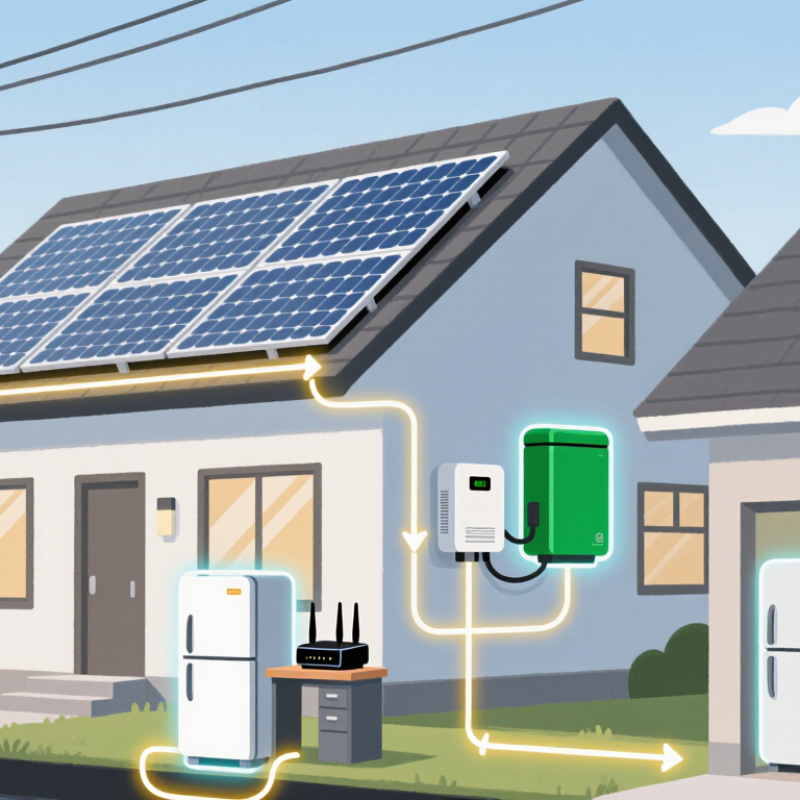
Hybrid Solar Architecture: PV Panels, Batteries, Inverters, and Grid Controls

How Do Hybrid Solar Electric Devices Benefit Buyers?

Hybrid Solar Architecture: PV Panels, Batteries, Inverters, and Grid Controls

Hybrid solar architecture connects PV panels, batteries, inverters, and grid controls into one responsive energy system. PV panels generate power during daylight, while batteries store surplus electricity for evening use. When clouds pass, the inverter balances solar production, battery discharge, household demand, and grid electricity within seconds.

A properly sized inverter does more than convert direct current into usable alternating current. It monitors voltage, manages battery charging, and helps protect sensitive appliances from unstable supply. Grid controls can reduce unnecessary imports, limit exports, and maintain selected circuits during an outage. This may keep lights, refrigeration, and internet equipment operating. Small details matter.

Practical site assessments often reveal a problem: buyers focus on panel capacity but overlook battery placement and control settings. Batteries need suitable temperatures, clear access, and professional installation. A larger battery is not automatically better. It may cost more while remaining partly unused in mild weather. System performance also depends on roof direction, household routines, local grid conditions, and software maintenance. The design is not flawless. A careful buyer should request realistic production estimates, backup limits, warranty terms, and future service arrangements. A technician should also explain what happens when the battery reaches a low reserve. That conversation can prevent expensive misunderstandings.

How Hybrid Solar Electric Devices Benefit Buyers

Typical performance indicators for a residential hybrid solar system combining PV panels, batteries, inverters, and grid controls.

Hybrid systems can increase the use of on-site solar power, improve energy availability during outages, and reduce electricity purchased from the grid. The values shown are representative industry ranges: actual results depend on system size, weather, household demand, battery settings, and local grid rules.

DOE Benchmarks: 85–95% Battery Round-Trip Efficiency

How Do Hybrid Solar Electric Devices Benefit Buyers?

DOE Benchmarks: 85–95% Battery Round-Trip Efficiency

Hybrid solar electric devices combine solar panels, a battery, and power controls in one coordinated system. DOE benchmark discussions commonly reference 85–95% battery round-trip efficiency. This measures the energy recovered after charging and discharging the battery. A 10-kilowatt-hour battery operating at 90% efficiency may return about 9 kilowatt-hours. Some energy becomes heat or is consumed by control electronics.

That difference affects real household savings. During a sunny afternoon, excess solar power can charge the battery instead of leaving the property. After sunset, stored electricity can run lights, a refrigerator, or a small heat pump. A system with higher round-trip efficiency needs less solar energy for the same evening load. It may also reduce electricity purchases during expensive rate periods. Small losses still matter.

The benchmark is not a promise.

Temperature, battery age, wiring, standby consumption, and partial charging can lower actual performance. Buyers should ask whether the quoted figure includes the inverter and other equipment. A battery rated at 95% may deliver less in a complete system. That detail is easy to miss. Reviewing measured efficiency, usable capacity, warranty conditions, and emergency backup limits creates a more realistic comparison. In practice, a slightly less efficient device may still fit better if its controls respond quickly and its usable capacity matches the home’s nighttime demand.

How Do Hybrid Solar Electric Devices Benefit Buyers? - DOE Benchmarks: 85–95% Battery Round-Trip Efficiency
Evaluation Dimension Typical Benchmark or Range Buyer Benefit Practical Considerations
Battery round-trip efficiency 85–95% More of the electricity stored during the day can be used later, reducing conversion losses and improving energy utilization. The result includes charging and discharging losses. Actual performance varies with battery chemistry, temperature, power level, and system controls.
Solar energy self-consumption Higher than solar-only operation Excess midday solar generation can be stored instead of being exported, then used during evening or low-production periods. The improvement depends on battery size, household load patterns, local solar conditions, and export-credit rules.
Peak-demand management Load-dependent Stored electricity can help reduce purchases from the grid during expensive or high-demand periods. Savings depend on the utility tariff, the system’s discharge power, and whether demand charges apply.
Backup power capability Selected circuits or whole-home operation Provides electricity during grid interruptions when the system includes islanding controls and an appropriately sized battery. Backup duration depends on usable battery capacity and the connected loads. Grid-connected systems require approved safety controls.
Power conversion efficiency Commonly above 90% for modern power electronics Efficient inverters reduce the amount of solar energy lost when converting between direct current and household alternating current. Efficiency is not constant; it changes with operating load, temperature, standby use, and conversion direction.
Usable battery capacity Specified separately from nameplate capacity Helps buyers compare how much energy is actually available for daily use and backup operation. Manufacturers may limit the operating range to protect battery life. Compare usable kWh, not only the advertised nominal capacity.
Battery degradation Gradual capacity reduction over time A properly managed system can provide predictable energy storage over many years, supporting long-term planning. Degradation is affected by cycle count, depth of discharge, heat, charging speed, and time. Review performance guarantees and operating conditions.
Solar-plus-storage system sizing Based on daily load, solar production, and backup goals Correct sizing can improve financial performance while avoiding unnecessary equipment costs. A system optimized for bill savings may require less storage than one designed for extended outage protection.
Operating emissions No direct onsite combustion emissions Using stored solar electricity can reduce reliance on grid electricity generated from fossil fuels, depending on the local grid mix. Lifecycle impacts include manufacturing, transportation, installation, recycling, and the electricity used to charge the battery.
System monitoring Real-time or interval-based performance data Monitoring can help buyers track solar production, battery state of charge, household consumption, and backup readiness. Data availability and measurement accuracy vary by system configuration and communications connection.
Reference basis: The 85–95% battery round-trip-efficiency range is presented as a DOE-aligned benchmark for battery energy-storage systems. Actual results vary by equipment, installation, operating conditions, and control strategy. Performance ranges shown as “typical” or “common” are planning references rather than guarantees.

Bill Savings Through Net Metering and Time-of-Use Price Arbitrage

How Do Hybrid Solar Electric Devices Benefit Buyers?

Bill Savings Through Net Metering and Time-of-Use Price Arbitrage

Hybrid solar electric devices combine solar panels, an inverter, and often a battery. This setup can reduce grid purchases in two practical ways. Net metering credits eligible excess electricity sent to the grid. During sunny hours, unused power flows outward through an approved meter. Later, the household draws electricity back. The bill then reflects exported energy, subject to local rules and credit rates. Policies differ widely, so utility documents matter more than sales estimates.

At noon, panels may produce more electricity than a quiet home needs. A battery can store that surplus instead of exporting it immediately. When evening rates rise, the battery supplies lights, cooking appliances, and heating equipment. This is time-of-use price arbitrage. The value comes from avoiding expensive purchases, not producing extra energy.

A smart control schedule can preserve backup capacity and respond to tariff changes. Battery losses, demand charges, and export limits can reduce savings. Not every day pays equally.

A reliable evaluation uses twelve months of interval bills, production estimates, and battery efficiency data. A qualified installer should verify interconnection requirements and explain whether credits expire. Buyers should compare installed costs with realistic peak-rate savings. Projections can look impressive until winter output and standby consumption are included. That correction matters. A properly sized system may make monthly costs more predictable where peak prices and fair export credits overlap. A winter bill may tell a different story.

Backup Power and Improved Resilience During Grid Outages

Hybrid solar electric devices combine solar generation, battery storage, and grid connection in one household energy system. During normal operation, solar panels can supply daytime appliances and recharge the battery. When the grid fails, the system can switch to backup power within seconds, depending on its design and installation.

A dark evening outage feels different when essential lights remain on. A refrigerator can keep cooling, medical equipment can continue operating, and a phone can stay charged. This practical resilience reduces disruption during storms, equipment failures, or planned utility work. However, backup power is not unlimited. A battery may support selected circuits for several hours, while heavy heating or cooling loads can drain it quickly. I have seen homeowners underestimate this detail. Their systems worked, but not for every appliance at once.

Tips: Ask a qualified installer to identify critical loads before purchase. Keep refrigerators, internet equipment, lighting, and medical devices on the backup circuit. Test the system during calm weather, not only during an emergency. Check battery capacity, transfer time, maintenance needs, and warranty conditions in writing. Leave space for future electrical demand. A larger system is not always better; correct sizing matters more. Local electrical codes and utility requirements should also be reviewed by licensed professionals.

NREL’s 0.5% Annual PV Degradation and Long-Term Buyer Value

Hybrid solar electric devices can give buyers more than immediate electricity savings. Their value depends on how steadily the photovoltaic system performs over time.

NREL research commonly reports about 0.5% annual degradation for many PV systems. In practical terms, a system producing 10,000 kilowatt-hours in its first year may produce roughly 9,050 after 20 years, assuming similar conditions.

That decline is gradual. It rarely feels dramatic from one month to the next. A rooftop may still power daytime appliances, charge a battery, and reduce grid purchases years after installation.

For buyers, this supports a longer financial calculation. A hybrid system can coordinate solar generation with storage or other electrical loads, helping use more self-generated power when sunlight disappears.

The estimate is useful, not perfect. Heat, dust, shading, wiring, and maintenance can change actual results. A poorly ventilated roof may perform differently from a clear, cool installation. I would treat 0.5% as a planning benchmark, not a promise.

Buyers should examine production records, installation quality, expected replacement costs, and local electricity prices. Small losses compound quietly. That deserves attention.

A realistic forecast may feel less exciting, but it offers stronger evidence for long-term value and more honest purchasing decisions.

FAQS

What is a hybrid solar electric device?

It combines solar panels, a battery, and power controls in one coordinated household system. It stores extra daytime electricity for evening use.

What does 85–95% round-trip battery efficiency mean?

It describes how much energy returns after charging and discharging. A 10-kilowatt-hour battery at 90% efficiency may provide about 9 kilowatt-hours.

Where does the missing energy go?

Some energy becomes heat or powers control electronics. Small losses still matter over many charging cycles.

How can battery efficiency affect household savings?

Higher efficiency can reduce purchased electricity during expensive evening periods. Stored power might run lights, a refrigerator, or a small heat pump.

Is the advertised efficiency guaranteed in daily use?

No. Actual performance can fall because of temperature, battery age, wiring, standby use, or partial charging.The benchmark is not a promise.

Should buyers compare the battery rating or the complete system?

Buyers should compare complete-system efficiency, including the inverter and other equipment. A battery rated at 95% may deliver less in practice.

How does solar panel degradation affect long-term value?

Many photovoltaic systems lose about 0.5% of production annually. A system producing 10,000 kilowatt-hours initially may produce roughly 9,050 after 20 years.

What conditions can increase long-term production losses?

Heat, dust, shading, poor wiring, and limited maintenance can reduce output. A poorly ventilated roof may perform differently from a clear, cooler installation.

What information should buyers request before purchasing?

Request measured efficiency, usable battery capacity, production records, warranty conditions, and backup limits. Replacement costs and local electricity prices also deserve attention.

Is the most efficient device always the best choice?

Not necessarily. Faster controls and suitable usable capacity may matter more than a slightly higher efficiency figure.I might overvalue efficiency.

How should buyers estimate future savings?

Use conservative production, storage, and electricity-price assumptions. Small yearly losses compound quietly, so optimistic forecasts can mislead.

Conclusion

What are the benefits of hybrid solar-electric devices? These systems combine photovoltaic panels, batteries, inverters, and grid controls to produce, store, and manage electricity more intelligently. Homeowners can use solar power when it is available, store excess generation for later, and coordinate grid electricity with household demand. Battery round-trip efficiency commonly reaches approximately 85–95%, helping reduce energy losses during charging and discharging. Through net metering and time-of-use price arbitrage, users may lower electricity bills by exporting surplus power or relying on stored energy when utility rates are higher.

Hybrid solar-electric devices also improve household resilience during grid outages by providing backup power for essential loads, depending on system capacity and configuration. Their long-term value is strengthened by the relatively gradual performance decline of photovoltaic panels, estimated at about 0.5% per year. Although installation costs, maintenance, tariffs, and local rules should be evaluated carefully, the combination of energy savings, backup capability, and durable solar production can make these systems an attractive investment for many buyers.

Sophia

Sophia

Sophia is a dedicated marketing professional with an exceptional depth of knowledge about her company's products and services. With a keen understanding of market trends and customer needs, she crafts insightful blog posts that not only inform but also engage readers, enriching the company’s online......