How to Maintain a Car Jump Starter for Longevity and Reliability?

Time:2026-08-23 Author:Madeline
0%

Maintaining a car jump starter is crucial for its reliability. Knowing how to maintain a car jump starter ensures it works when you need it most. A well-cared jump starter can save you from being stranded.

Regularly check the battery's charge. It's essential to keep it topped off. Failure to do this may lead to disappointing results during an emergency. Inspect the cables for wear and tear. Damaged cables can hinder performance and are a safety hazard.

Store your jump starter in a cool and dry location. High temperatures can damage the battery. Additionally, revisit your maintenance routine periodically. It's easy to overlook such tasks in a busy life. Reflect on the importance of preparedness. A little effort can prolong the life of your jump starter significantly.
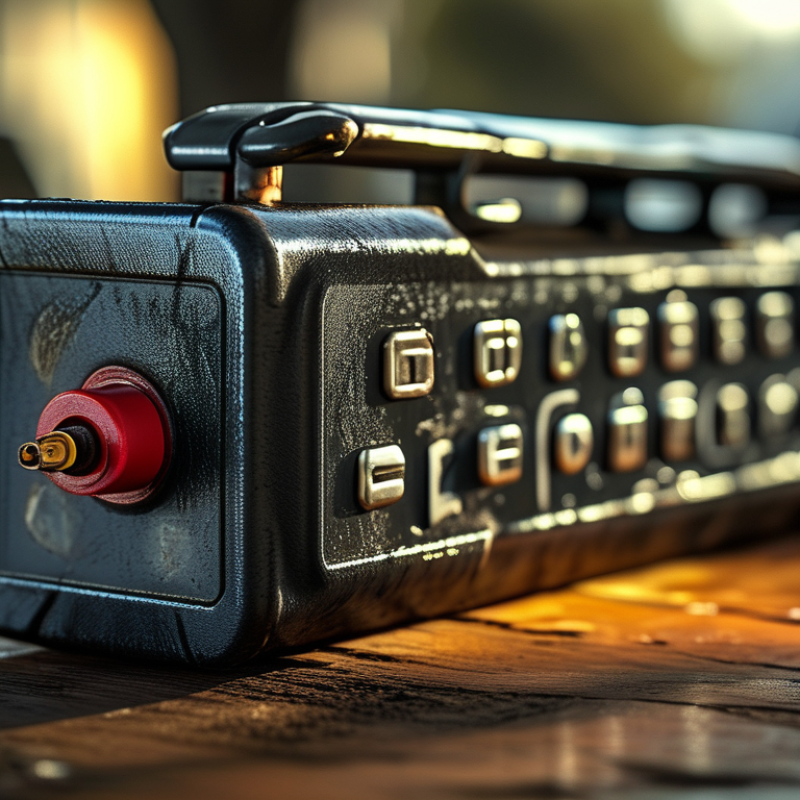
How to Maintain a Car Jump Starter for Longevity and Reliability?

Choosing the Right Jump Starter for Your Needs

Choosing the right jump starter can greatly impact your experience on the road. When selecting a jump starter, consider your vehicle type. For instance, if you drive a compact car, a smaller model may suffice. However, larger vehicles like SUVs and trucks require more power. Look for jump starters with higher peak amperage ratings for better performance.

Portability is another crucial factor. You want something lightweight and easy to store. Compact models can fit in your glove compartment or trunk without taking up much space. Additionally, features like built-in air compressors or USB ports provide added convenience. However, these extras can make models bulkier, so find a balance that works for you.

Read reviews to understand the experiences of other users. Some jump starters may not perform well as expected. Reliability is essential, and firsthand feedback can guide your choice. Remember, spending a little time researching now can save you from future headaches. A jump starter is a vital tool, but it must meet your specific needs for optimal usage.

How to Maintain a Car Jump Starter for Longevity and Reliability? - Choosing the Right Jump Starter for Your Needs

Feature Description Recommended Maintenance
Battery Type Li-ion or Lead Acid Check manufacturer's recommendations for optimal usage.
Capacity (mAh) Determines how many jump starts before recharge Charge regularly, especially after use.
Temperature Range Operating temperature affects performance Store in a temperature-controlled environment.
Safety Features Short circuit protection, spark-proof Inspect regularly for any damage.
Charging Method AC wall charger or car charger Use the recommended charger only.
Weight Portability and ease of use Avoid dropping or heavy impacts.

Understanding the Components of a Car Jump Starter

Understanding the components of a car jump starter is essential for optimal performance. A typical jump starter includes a battery, a charger, and connecting cables. Most devices utilize lithium-ion or lead-acid batteries. Reports from the Battery Council International indicate that lithium-ion batteries provide better energy density and lighter weight.

Charger technology significantly impacts charging efficiency and speed. Many modern jump starters feature advanced charging systems, often allowing faster recharge times. According to a study by the Consumer Electronics Association, 63% of users consider recharge time a crucial factor when purchasing a jump starter. The quality of the charging cable also matters; poor-quality cables can lead to inefficient power transfer.

Ensure regular maintenance of your jump starter. Inspecting cables for wear or damage can prevent unexpected failures. Cleaning the battery terminals regularly can ensure a solid connection. A report from the National Highway Traffic Safety Administration states that 30% of jump starter failures occur due to poor maintenance practices. These insights point to the importance of understanding the technology and components involved for reliable usage.

Regular Maintenance Practices for Optimal Performance

Maintaining a car jump starter is crucial for its longevity and reliability. Regularly inspecting the device can prevent unexpected failures. Start with the battery. Keep the terminals clean and free from corrosion. Use a cloth or brush to remove any buildup. A clean connection ensures better performance.

Charging habits also matter. Don’t let the jump starter sit for extended periods without use. Recharge it every few months, even if it seems fine. This helps maintain battery health. Keep it in a cool, dry place. Extreme temperatures can harm the internal components.

Check the cables for wear and tear. Frayed wires can lead to poor performance. If you notice any damage, replace the cables. Additionally, review the instructions periodically. Understanding the features can enhance your experience. Mistakes can lead to misunderstandings on how to use the device effectively. Pay attention to the indicators and warnings. They can provide valuable insights into the jump starter’s condition.

Storing Your Jump Starter Safely and Effectively

Storing your jump starter safely and effectively is crucial for its longevity. First, find a cool, dry place. Extreme temperatures can degrade the battery. Avoid leaving it in direct sunlight or in a damp area. Keep it away from places where it can be knocked over or damaged.

Consider using a protective case. This helps prevent dust accumulation and physical damage. Check the manual for specific storage recommendations. It's essential to follow these guidelines to maintain functionality. Regularly inspect your jump starter. Look for any signs of wear or damage, especially at the connection points.

Sometimes, even when stored correctly, issues may arise. If it doesn’t hold a charge, reflect on its usage frequency. A jump starter that’s used infrequently might need a periodic charge. Don’t ignore these signs. They can indicate deeper issues that require attention before an emergency occurs.

Battery Capacity of Jump Starters Over Time

Troubleshooting Common Issues with Jump Starters

Jump starters are essential for every car owner. However, they can encounter several common issues. One of the most frequent problems is a weak charge. If you notice the jump starter failing to start your vehicle, it’s time to check the battery level. Sometimes, users forget to recharge after use. This can lead to frustration during emergencies.

Another common issue is faulty connections. Cables might become corroded or damaged over time. Inspect the clamps for any signs of wear or damage. It's also wise to ensure that they make solid contact with the battery terminals. Poor connections can lead to inadequate power transfer, resulting in failure to start a vehicle.

Users may also forget to update their jump starter's firmware, if applicable. New features or safety enhancements can improve performance and reliability. Regular maintenance, like cleaning the terminals and ensuring all connections are secure, is vital. Reflecting on these aspects can help avoid unexpected surprises when you need the jump starter the most.

FAQS

: What do I need to know about a car jump starter?

: Understand its components like the battery, charger, and cables. This knowledge ensures optimal performance.

What types of batteries are commonly used in jump starters?

Most devices use lithium-ion or lead-acid batteries. Lithium-ion offers better energy density and is lighter.

How does charger technology affect jump starters?

Advanced charging systems allow faster recharge times. This impacts user satisfaction and device usability significantly.

What is a common reason for jump starter failures?

Poor maintenance is a major issue. Reports show that up to 30% of failures stem from neglecting regular upkeep.

How can I prevent connection issues with my jump starter?

Regularly inspect cables for wear or damage. Clean battery terminals to ensure solid contact.

Why is firmware important for jump starters?

Updating firmware can enhance features and safety. Neglecting this may reduce performance.

What should I do if my jump starter has a weak charge?

Check the battery level. Users often forget to recharge after use, leading to frustrating situations.

How can I check for faulty connections?

Inspect the clamps for corrosion or damage. Ensure they make strong contact with battery terminals.

What maintenance tasks should I perform on my jump starter?

Clean terminals and check connections regularly. Reflecting on these needs avoids unexpected surprises.

Are there any common mistakes users make with jump starters?

Forgetting to recharge is typical. This mistake can lead to disappointment in emergencies when you need it most.

Conclusion

This article provides essential guidance on how to maintain a car jump starter for longevity and reliability. It begins by emphasizing the importance of choosing the right jump starter that meets your specific needs, taking into account factors such as capacity and portability. Understanding the components of a jump starter is crucial, as it helps users appreciate its workings and enhances their ability to perform maintenance.

Regular maintenance practices are outlined to ensure optimal performance, including checking battery levels and connections. Additionally, safe and effective storage methods are discussed to protect the device from environmental damage. Lastly, the article addresses common troubleshooting issues, equipping users with knowledge to resolve typical problems. By following these strategies, users can significantly extend the life of their jump starter and ensure it's ready when needed.

Madeline

Madeline

Madeline is a dedicated marketing professional with a wealth of expertise in our company's core offerings. With a keen understanding of the industry, she brings a unique perspective to her role, consistently delivering high-quality content that highlights the superior aspects of our products. As......